

University of Mary joins national “science army” mapping America’s hidden ecosystems beneath our feet
Students to lead next phase of cutting-edge genomic analysis after contributing to nationwide soil microbiome research
BISMARCK, N.D. — The University of Mary is playing a key role in a groundbreaking national research effort to map the vast and largely unexplored microbial life beneath the nation’s soil — an initiative described as a “science army” mobilizing students and researchers across the country.
Through its participation in the BioDIGS Consortium — a project of the Genome Data Science Community Network — University of Mary biology faculty and students have joined researchers from dozens of institutions studying soil microbiomes through genomic sequencing.
“This project has allowed Mary students an opportunity to get involved with cutting-edge research in the collection of environmental DNA samples, as well as gain exposure to genomics,” said Dr. Joseph Biggane, chair of biology, director of biochemistry, and assistant professor of biology at the University of Mary. “Because this research still largely relies on expensive scientific equipment, this project has provided a means to collaboratively get involved in an emerging field of science.”
From the field to the lab
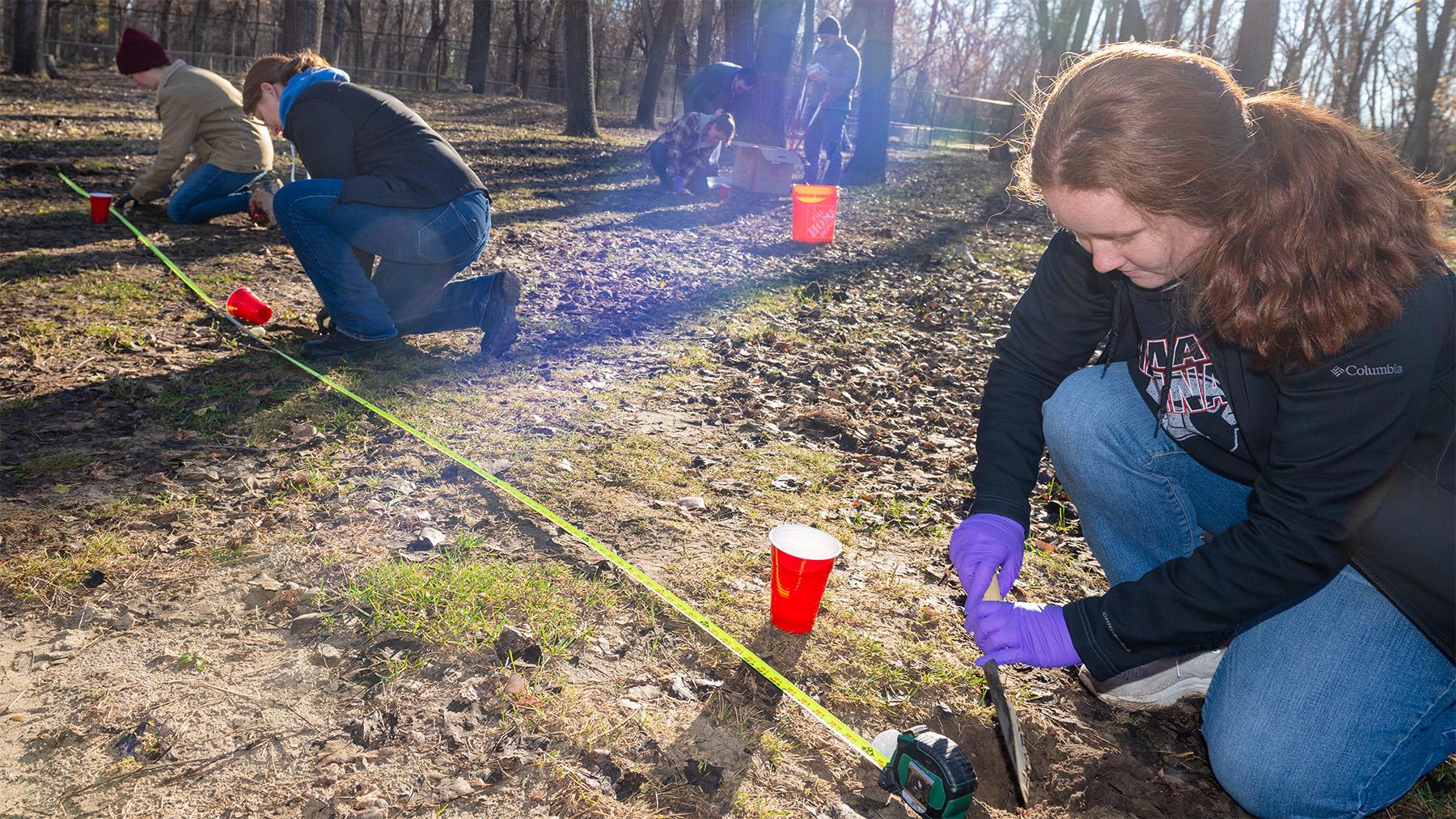
University of Mary’s involvement began in fall 2024, when Biggane — a fellow of the Genome Data Science Community Network — initiated the university’s participation. Students conducted soil sampling in November 2024, partnering with the Dakota Zoo to collect specimens from several animal exhibits.
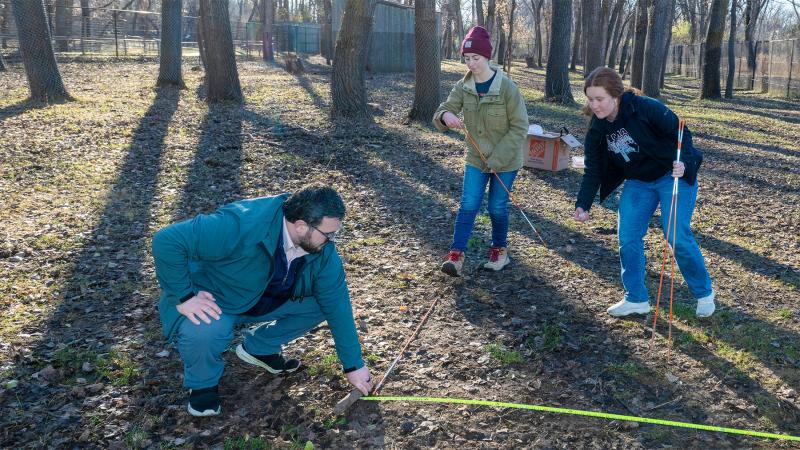
Using a structured grid system, students carefully removed and combined soil samples, preparing them for both laboratory testing and genomic sequencing. The samples were then sent to specialized facilities, including Johns Hopkins University and Cold Spring Harbor Laboratory, to analyze the DNA.
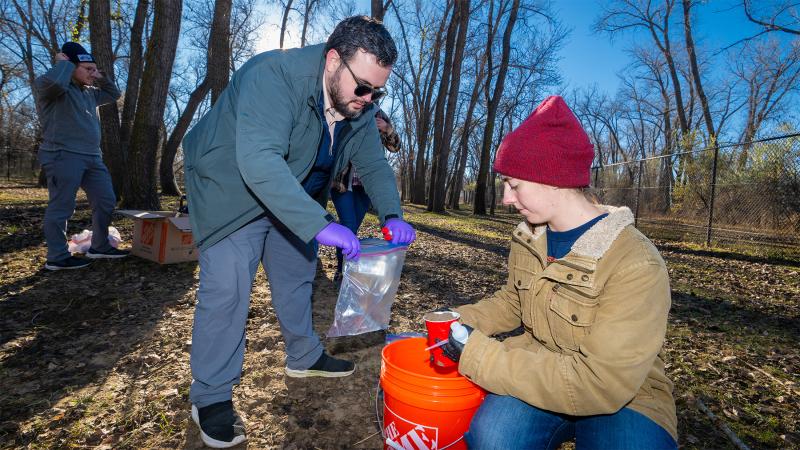
Three University of Mary students participated in the initial phase of fieldwork and sample preparation, with two earning authorship on the project’s first publication.
“The students were very excited and appreciative about the opportunity to return to the field for this project,” Biggane said. “This was especially meaningful, as it gave them a chance to gain valuable research experience in an area we hadn’t been able to offer recently, and to re-engage with hands-on work connected to their interests in wildlife and conservation biology.”
At the University of Mary, faculty including Biggane, Wendy Larson, and Brennan Roche oversee student involvement, with plans to expand collaboration in the future — including partnerships with students from United Tribes Technical College.
The next phase begins
Now, with sequencing and soil analysis complete, the project is entering a new and critical stage — one that will place University of Mary students at the center of discovery. Students will soon begin analyzing the genomic data, identifying microbial genes, and exploring how soil ecosystems are influenced by different animal populations — particularly comparing environments shaped by native and non-native grazing species.
“We designed our sampling to understand how the soil microbiome is influenced by the animals on exhibit,” Biggane said. “We sampled from both native and non-native grazing animals, so we are excited to see if there are differences.”
Initial work will begin this summer in a preliminary capacity, with broader student involvement expected to ramp up during the fall semester. Future plans include integrating the research into coursework through a course-based undergraduate research experience or the development of a dedicated genomics course.
As the data begins to reveal its insights, Biggane emphasized that the most important work is just getting underway. With samples collected and sequencing complete, he said, students will now take the lead in interpreting the data — piecing together the story hidden within the soil and contributing to a growing national understanding of the microscopic life that sustains ecosystems. In doing so, University of Mary students are not only participating in a major scientific initiative — they are helping shape its future.
Explore Topics
